Stonehenge
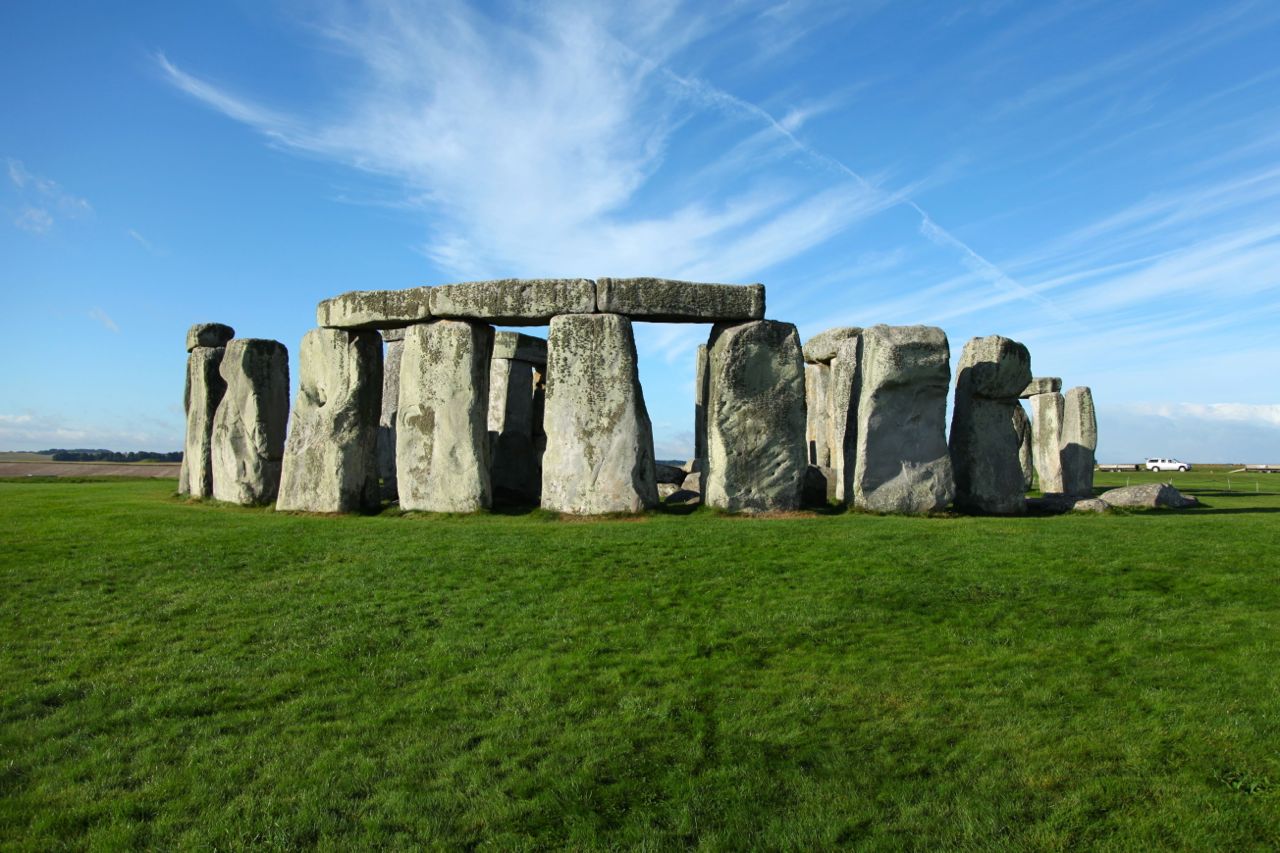
Stonehenge, England
Thursday, 19 January 2012
Tuesday, 17 January 2012
The Artist, War Horse, Tintin all up for Bafta awards

The silent black and white movie The Artist which stars Uggie leads this year's nominations with 12 including Best Film and Best Director.
The 3D action adventure Hugo, set in 1930s Paris gets nine nominations including Best Director.
Best Animation nominees includes Steven Spielberg's The Adventures of Tintin.
Spielberg's adaptation of Michael Morpurgo's War Horse has five nominations, mainly for its special effects, but John Williams - the man behind the music of Star Wars has been recognised for War Horse's score.
The awards ceremony will take place at the Royal Opera House in London on 12 February. (CBBC Newsround)
Sunken cruise ship 'may still hold survivors'

Eleven people are known to have died after the Costa Concordia crashed into rocks off Italy's west coast on Friday night.
But local coastguard Marco Brusco said there was still a "glimmer of hope" that survivors could be found.
The ship's owners blame the captain, saying he changed the ship's course.
Because the ship was right at the start of its voyage, its fuel tanks are almost full - and people are worried about the fuel leaking out into the sea, causing environmental damage.
But the company that's in charge of dealing with the fuel says the tanks are intact and there's no risk of a leak at the moment.
The missing are thought to include four crew members, as well as passengers from America, Germany, France and Italy.
The ship's captain, Francesco Schettino, has been arrested and a judge is due to decide if he should still be held.
Captain Schettino said he'd done nothing wrong, saying the rocks the ship hit were not marked on his nautical charts.
The ship, carrying 4,300 passengers and crew, was on the first night of a cruise when it ran aground in calm conditions. (CBBC Newsround)
Wednesday, 28 December 2011
Girl Back Home 7 Years After Tsunami

A miracle happened last Wednesday when her grandfather Ibrahim, who lived in another town, got a visit from an acquaintance who was with a teenage girl. Wati had visited the old man in his coffee shop. She told him she was trying to get back to her village but did not know the way. Ibrahim suspected the teenager might be his long-lost grand-daughter but she could not remember any of her parents’ of relatives’ names, except Ibrahim’s. Wati’s identity was confirmed by her parents several days later from a mole and a scar above her eyebrow that she got when she was six years old. It is still unclear what happened to Wati in her seven-year absence. The deadly tsunami killed more than 150,000 people in several Indian Ocean nations. (Breaking News English)
Saturday, 26 November 2011
First Thanksgiving
On the fourth Thursday of November, Americans celebrate Thanksgiving, a national holiday honoring the early settlers and their harvest feast known as the first Thanksgiving.
Native Americans
Long before settlers came to the East Coast of the United States, the area was inhabited by many Native American tribes. The area surrounding the site of the first Thanksgiving, now known as southeastern Massachusetts and eastern Rhode Island had been the home of the Wampanoag people for over 12,000 years, and had been visited by other European settlers before the arrival of the Mayflower. The native people knew the land well and had fished, hunted, and harvested for thousands of generations.
The Settlers
The people who comprised the Plymouth Colony were a group of English Protestants who wanted to break away from the Church of England. These ‘separatists’ initially moved to Holland and after 12 years of financial problems, they received funding from English merchants to sail across the Atlantic to settle in a ‘New World.' A ship carryingl of 101 men, women, and children spent 66 days traveling the Atlantic Ocean, intending to land where New York City is now located. Due to the windy conditions, the group had to cut their trip short and settle at what is now called Cape Cod.
Settling and Exploring
As the Puritans prepared for winter, they gathered anything they could find, including Wampanoag supplies.
One day, Samoset, a leader of the Abenaki, and Tisquantum (better known as Squanto) visited the settlers. Squanto was a Wampanoag who had experience with other settlers and knew English. Squanto helped the settlers grow corn and use fish to fertilize their fields. After several meetings, a formal agreement was made between the sttlers and the native people and they joined together to protect each other from other tribes in March of 1621.

The Celebration
One day that fall, four settlers were sent to hunt for food for a harvest celebration. The Wampanoag heard gunshots and alerted their leader, Massasoit, who thought the English might be preparing for war. Massasoit visited the English settlement with 90 of his men to see if the war rumor was true. Soon after their visit, the Native Americans realized that the English were only hunting for the harvest celebration. Massasoit sent some of his own men to hunt deer for the feast and for three days, the English and native men, women, and children ate together. The meal consisted of deer, corn, shellfish, and roasted meat, far from today's traditional Thanksgiving feast.
They played ball games, sang, and danced. Much of what most modern Americans eat on Thanksgiving was not available in 1621.
Although prayers and thanks were probably offered at the 1621 harvest gathering, the first recorded religious Thanksgiving Day in Plymouth happened two years later in 1623. On this occasion, the colonists gave thanks to God for rain after a two-month drought. (National Geographic Kids)
Native Americans
Long before settlers came to the East Coast of the United States, the area was inhabited by many Native American tribes. The area surrounding the site of the first Thanksgiving, now known as southeastern Massachusetts and eastern Rhode Island had been the home of the Wampanoag people for over 12,000 years, and had been visited by other European settlers before the arrival of the Mayflower. The native people knew the land well and had fished, hunted, and harvested for thousands of generations.
The Settlers
The people who comprised the Plymouth Colony were a group of English Protestants who wanted to break away from the Church of England. These ‘separatists’ initially moved to Holland and after 12 years of financial problems, they received funding from English merchants to sail across the Atlantic to settle in a ‘New World.' A ship carryingl of 101 men, women, and children spent 66 days traveling the Atlantic Ocean, intending to land where New York City is now located. Due to the windy conditions, the group had to cut their trip short and settle at what is now called Cape Cod.
Settling and Exploring
As the Puritans prepared for winter, they gathered anything they could find, including Wampanoag supplies.
One day, Samoset, a leader of the Abenaki, and Tisquantum (better known as Squanto) visited the settlers. Squanto was a Wampanoag who had experience with other settlers and knew English. Squanto helped the settlers grow corn and use fish to fertilize their fields. After several meetings, a formal agreement was made between the sttlers and the native people and they joined together to protect each other from other tribes in March of 1621.
The Celebration
One day that fall, four settlers were sent to hunt for food for a harvest celebration. The Wampanoag heard gunshots and alerted their leader, Massasoit, who thought the English might be preparing for war. Massasoit visited the English settlement with 90 of his men to see if the war rumor was true. Soon after their visit, the Native Americans realized that the English were only hunting for the harvest celebration. Massasoit sent some of his own men to hunt deer for the feast and for three days, the English and native men, women, and children ate together. The meal consisted of deer, corn, shellfish, and roasted meat, far from today's traditional Thanksgiving feast.
They played ball games, sang, and danced. Much of what most modern Americans eat on Thanksgiving was not available in 1621.
Although prayers and thanks were probably offered at the 1621 harvest gathering, the first recorded religious Thanksgiving Day in Plymouth happened two years later in 1623. On this occasion, the colonists gave thanks to God for rain after a two-month drought. (National Geographic Kids)
Thursday, 24 November 2011

Subscribe to:
Posts (Atom)