Stonehenge
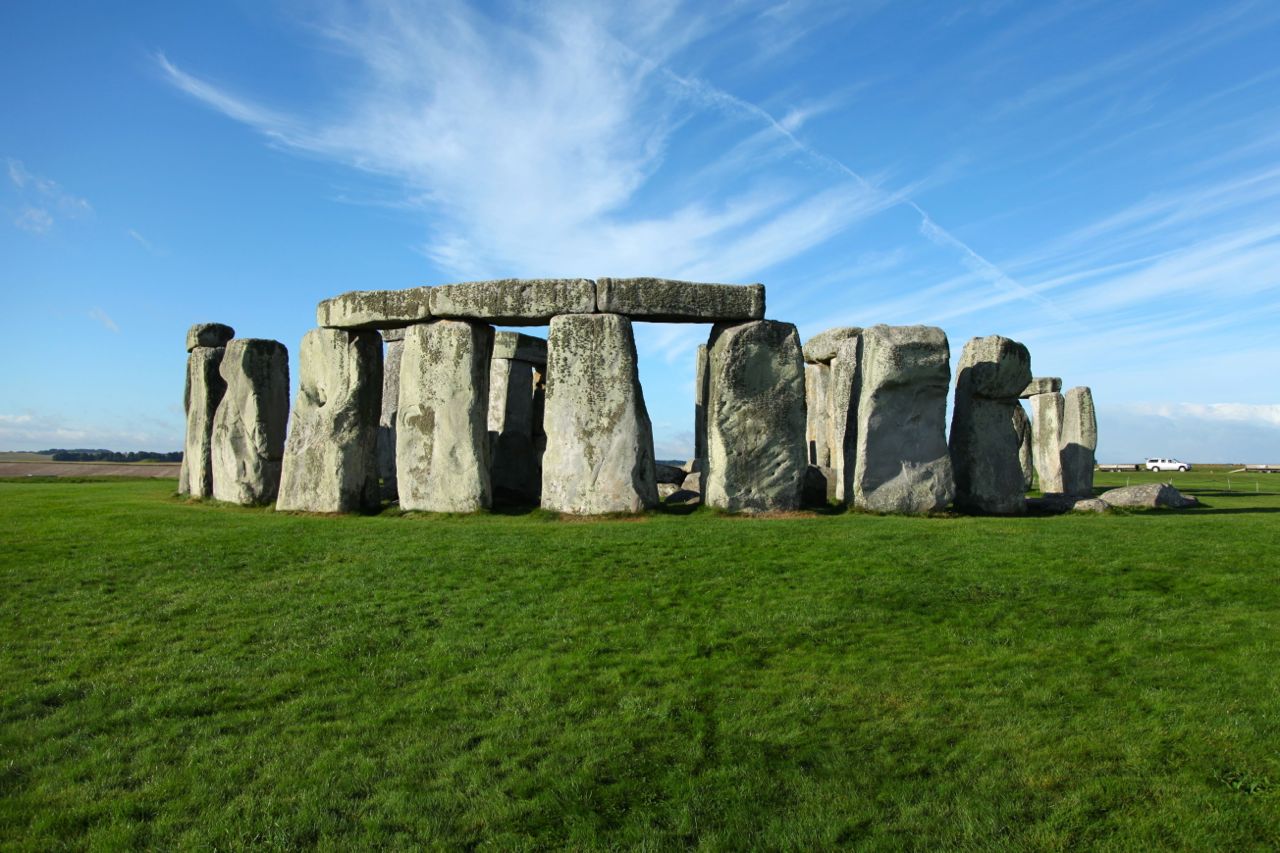
Stonehenge, England
Showing posts with label Festivals and traditions. Show all posts
Showing posts with label Festivals and traditions. Show all posts
Wednesday, 5 November 2014
Thursday, 30 October 2014
Halloween Quiz
Surf the Net and try to answer these questions
1. When is Halloween
celebrated?
2. Which terrible
creature is also known as lycanthrope?
3. What is another
name for Halloween?
 4. The Romans called
Halloween "Pomona Day". Who or what was Pomona?
4. The Romans called
Halloween "Pomona Day". Who or what was Pomona?
5. Before they
happened upon the pumpkin, the Irish carved Jack o' Lanterns out of what?
6. How
much did the world's
largest pumpkin weigh?
7. According
to the phobia list, which phobia is
the fear of Halloween?
8. What
is a male which known as?
9. When
was the first Halloween greeting card made?
10. What
does the old English word "hallow" mean?
11. People
in which country celebrate their culture's
Halloween by eating candy skulls?
12. A
popular Halloween drink in
the 18th century Ireland was called "Lamb's Wool". It was made with roasted,
crushed ... and milk.
13. In
what year can we accept to have a
full moon on Halloween night?
14. Where do pumpkins grow?
15. What name is given to a group of witches?
16. What priests first celebrated what we've come to
know as Halloween?
17. At Halloween parties, guests traditionally "bob"
for ...
Tuesday, 28 October 2014
Halloween Quiz
| Choose the correct answers. | ||||||||||||||||||||
| ||||||||||||||||||||
Tuesday, 29 April 2014
The May Crosses of Cordoba
At the beginning of May, the tradition of the May Crosses follows a street parade called "the Battle of the Flowers" in which floats decorated with flowers are driven though the city to welcome the coming of spring.
In the May Crosses, huge crosses decorated with flowers, plants in pots and manila shawls, are put up in courtyards and squares, and the neighbourhood associations and local clubs set up a bar serving traditional tapas and drinks to the visitors. Traditional Sevillanas music is played and dance shows are performed by night.
To get the perfect image of Cordoba in May, just stroll round the districts of San Basilio, San Andrés, Santa Marina, San Agustín and the city centre during the May Crosses festival. (english.turismodecordoba.org)
MAY CROSSES FESTIVAL 2014: From 30th April to 4th May
2014 May Crosses' map & programme: Click here

In the May Crosses, huge crosses decorated with flowers, plants in pots and manila shawls, are put up in courtyards and squares, and the neighbourhood associations and local clubs set up a bar serving traditional tapas and drinks to the visitors. Traditional Sevillanas music is played and dance shows are performed by night.
To get the perfect image of Cordoba in May, just stroll round the districts of San Basilio, San Andrés, Santa Marina, San Agustín and the city centre during the May Crosses festival. (english.turismodecordoba.org)
MAY CROSSES FESTIVAL 2014: From 30th April to 4th May
2014 May Crosses' map & programme: Click here
Monday, 17 March 2014
Tuesday, 15 January 2013
Drum Festival Spain - La Tamborrada

What to Expect From midnight to midnight the streets of San Sebastian fill with many gastronomic societies from San Sebastian marching in uniform all bidding to outdo each other. It begins in Plaza de la Constitution and marches all the way to the Old City of San Sebastian. This Spanish drums festival is an intense noisy fiesta lasting 24 hours.
History
The history of this Spanish drums Festival goes back to when the French occupied the Basque country. The French soldiers would play their drums when they were on the charge. One day as they did so in 1720 a baker who was filling water barrels from a fountain near the Iglesia de San Vicente (Church of St Vincent) San Sebastian began to sing, and a group of young girls passing by started banging on the barrels as accompaniment. The crowd started to gather and this drum beating knees up which evolved over the last almost 300 years into the spectacle you see today. It also gave rise to Raimundo Sarriegui who created the masterpiece the "March of San Sebastian" which is played to this day. (Festival Pig)
Wednesday, 5 December 2012
Monday, 26 November 2012
Tuesday, 2 October 2012
Wednesday, 29 August 2012
It's the famous 'Tomatina' fiesta in Buñol today
The fiesta ignores the recession and 120,000 kilos are
being thrown in the streets today.
Today sees the famous ‘Tomatina’ festival in Buñol, Valencia, held annually on the last Wednesday in August.
40,000 people are taking part in the festival and 120,000 kilos of tomatoes are being thrown to create a river of red in the streets.
Buñol councillor, Rafael Pérez, said despite the recession the amount of tomatoes prepared was the same as last year. The fiesta is expected to bring as much as 300,000 € to Buñol.
The Town Hall has called a ‘a reference worldwide’.
Indeed last year saw visitors from Brazil, Japan, Australia, New Zealand and India. (typicallyspanish.com)

Today sees the famous ‘Tomatina’ festival in Buñol, Valencia, held annually on the last Wednesday in August.
40,000 people are taking part in the festival and 120,000 kilos of tomatoes are being thrown to create a river of red in the streets.
Buñol councillor, Rafael Pérez, said despite the recession the amount of tomatoes prepared was the same as last year. The fiesta is expected to bring as much as 300,000 € to Buñol.
The Town Hall has called a ‘a reference worldwide’.
Indeed last year saw visitors from Brazil, Japan, Australia, New Zealand and India. (typicallyspanish.com)
Thursday, 12 April 2012
Saturday, 7 April 2012
Easter in Spain
Spain celebrates Easter Week much more than most European countries. During the whole of Semana Santa, (Holy Week), street processions are organised in most Spanish towns each evening, from Palm Sunday to Easter Sunday.
People carry statues of saints around on floats or wooden platforms, and an atmosphere of mourning - which can seem quite oppressive to onlookers - and the Easter week processions end with Easter Sunday, a day full of light and colour when church and cathedral bells are heard ringing throughout the country.
In some of the processions, marchers wear clothes reminiscent of the Klu Klux Klan. In fact, their clothes are meant to depict the Nazarenos, people from Nazareth. The religious fraternities and brotherhoods are responsible for carrying the statues and organising the penitents and musicians. The Nazarenos follow the people who carry the floats bearing sculptures and models of biblical scenes.

The people who carry the weight of the floats are called "costaleros" and are expected the carry these "thrones" with solemnity and grace. They use a small cushion, "costal" to protect themselves from getting sores from the wood rubbing against their skin during the long processions.
The most famous Easter celebrations are held in various Andalusian towns, Valladolid, Toledo, Segovia, Burgos, Zamora and Cuenca. (Euroresidentes)
People carry statues of saints around on floats or wooden platforms, and an atmosphere of mourning - which can seem quite oppressive to onlookers - and the Easter week processions end with Easter Sunday, a day full of light and colour when church and cathedral bells are heard ringing throughout the country.
In some of the processions, marchers wear clothes reminiscent of the Klu Klux Klan. In fact, their clothes are meant to depict the Nazarenos, people from Nazareth. The religious fraternities and brotherhoods are responsible for carrying the statues and organising the penitents and musicians. The Nazarenos follow the people who carry the floats bearing sculptures and models of biblical scenes.
The people who carry the weight of the floats are called "costaleros" and are expected the carry these "thrones" with solemnity and grace. They use a small cushion, "costal" to protect themselves from getting sores from the wood rubbing against their skin during the long processions.
The most famous Easter celebrations are held in various Andalusian towns, Valladolid, Toledo, Segovia, Burgos, Zamora and Cuenca. (Euroresidentes)
Saturday, 26 November 2011
First Thanksgiving
On the fourth Thursday of November, Americans celebrate Thanksgiving, a national holiday honoring the early settlers and their harvest feast known as the first Thanksgiving.
Native Americans
Long before settlers came to the East Coast of the United States, the area was inhabited by many Native American tribes. The area surrounding the site of the first Thanksgiving, now known as southeastern Massachusetts and eastern Rhode Island had been the home of the Wampanoag people for over 12,000 years, and had been visited by other European settlers before the arrival of the Mayflower. The native people knew the land well and had fished, hunted, and harvested for thousands of generations.
The Settlers
The people who comprised the Plymouth Colony were a group of English Protestants who wanted to break away from the Church of England. These ‘separatists’ initially moved to Holland and after 12 years of financial problems, they received funding from English merchants to sail across the Atlantic to settle in a ‘New World.' A ship carryingl of 101 men, women, and children spent 66 days traveling the Atlantic Ocean, intending to land where New York City is now located. Due to the windy conditions, the group had to cut their trip short and settle at what is now called Cape Cod.
Settling and Exploring
As the Puritans prepared for winter, they gathered anything they could find, including Wampanoag supplies.
One day, Samoset, a leader of the Abenaki, and Tisquantum (better known as Squanto) visited the settlers. Squanto was a Wampanoag who had experience with other settlers and knew English. Squanto helped the settlers grow corn and use fish to fertilize their fields. After several meetings, a formal agreement was made between the sttlers and the native people and they joined together to protect each other from other tribes in March of 1621.

The Celebration
One day that fall, four settlers were sent to hunt for food for a harvest celebration. The Wampanoag heard gunshots and alerted their leader, Massasoit, who thought the English might be preparing for war. Massasoit visited the English settlement with 90 of his men to see if the war rumor was true. Soon after their visit, the Native Americans realized that the English were only hunting for the harvest celebration. Massasoit sent some of his own men to hunt deer for the feast and for three days, the English and native men, women, and children ate together. The meal consisted of deer, corn, shellfish, and roasted meat, far from today's traditional Thanksgiving feast.
They played ball games, sang, and danced. Much of what most modern Americans eat on Thanksgiving was not available in 1621.
Although prayers and thanks were probably offered at the 1621 harvest gathering, the first recorded religious Thanksgiving Day in Plymouth happened two years later in 1623. On this occasion, the colonists gave thanks to God for rain after a two-month drought. (National Geographic Kids)
Native Americans
Long before settlers came to the East Coast of the United States, the area was inhabited by many Native American tribes. The area surrounding the site of the first Thanksgiving, now known as southeastern Massachusetts and eastern Rhode Island had been the home of the Wampanoag people for over 12,000 years, and had been visited by other European settlers before the arrival of the Mayflower. The native people knew the land well and had fished, hunted, and harvested for thousands of generations.
The Settlers
The people who comprised the Plymouth Colony were a group of English Protestants who wanted to break away from the Church of England. These ‘separatists’ initially moved to Holland and after 12 years of financial problems, they received funding from English merchants to sail across the Atlantic to settle in a ‘New World.' A ship carryingl of 101 men, women, and children spent 66 days traveling the Atlantic Ocean, intending to land where New York City is now located. Due to the windy conditions, the group had to cut their trip short and settle at what is now called Cape Cod.
Settling and Exploring
As the Puritans prepared for winter, they gathered anything they could find, including Wampanoag supplies.
One day, Samoset, a leader of the Abenaki, and Tisquantum (better known as Squanto) visited the settlers. Squanto was a Wampanoag who had experience with other settlers and knew English. Squanto helped the settlers grow corn and use fish to fertilize their fields. After several meetings, a formal agreement was made between the sttlers and the native people and they joined together to protect each other from other tribes in March of 1621.
The Celebration
One day that fall, four settlers were sent to hunt for food for a harvest celebration. The Wampanoag heard gunshots and alerted their leader, Massasoit, who thought the English might be preparing for war. Massasoit visited the English settlement with 90 of his men to see if the war rumor was true. Soon after their visit, the Native Americans realized that the English were only hunting for the harvest celebration. Massasoit sent some of his own men to hunt deer for the feast and for three days, the English and native men, women, and children ate together. The meal consisted of deer, corn, shellfish, and roasted meat, far from today's traditional Thanksgiving feast.
They played ball games, sang, and danced. Much of what most modern Americans eat on Thanksgiving was not available in 1621.
Although prayers and thanks were probably offered at the 1621 harvest gathering, the first recorded religious Thanksgiving Day in Plymouth happened two years later in 1623. On this occasion, the colonists gave thanks to God for rain after a two-month drought. (National Geographic Kids)
Subscribe to:
Posts (Atom)